
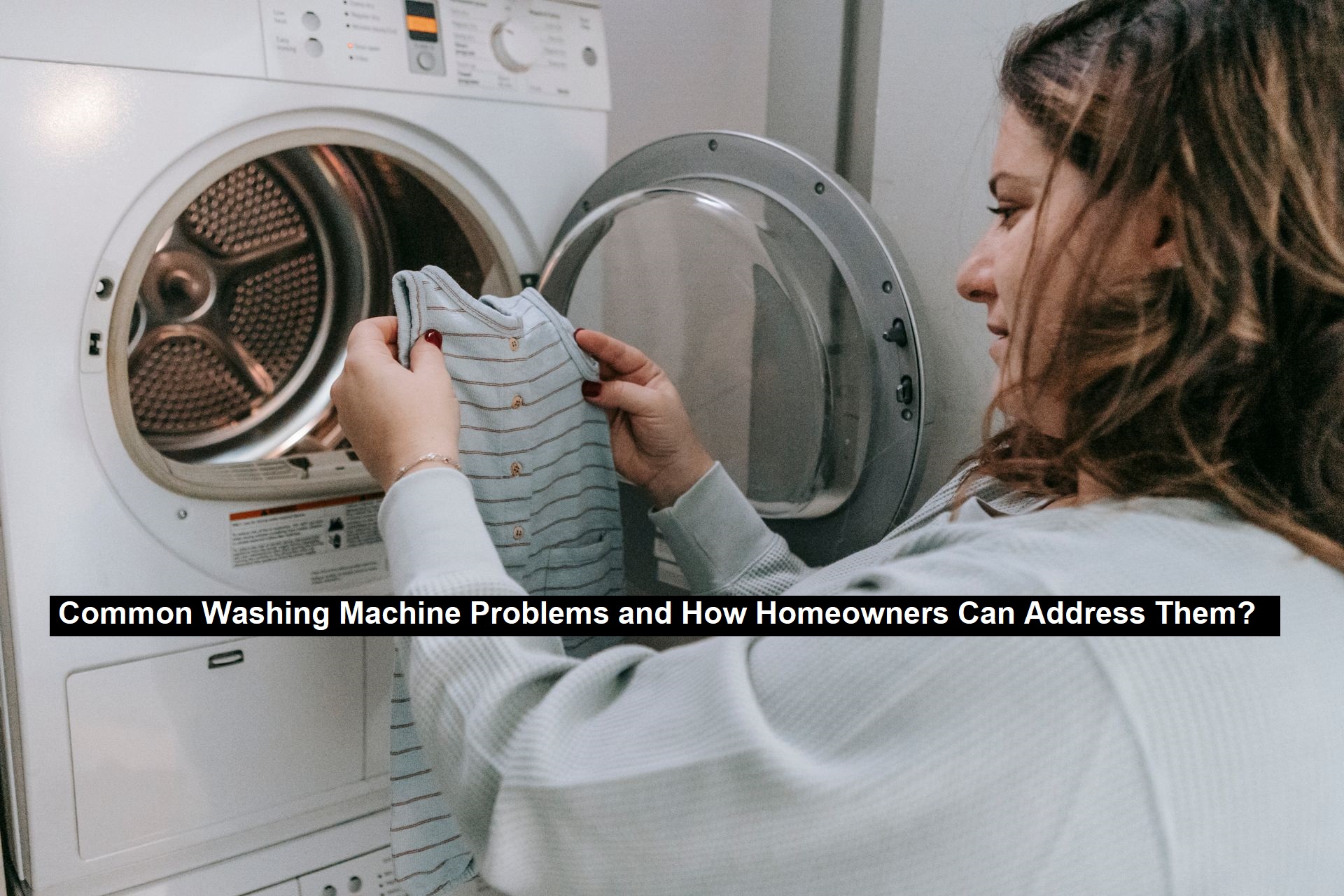
Common Washing Machine Problems and How Homeowners Can Address Them?
Washing machines are among the most heavily used appliances in modern homes. The average American family runs between five and eight loads of laundry every week, which can add up to more than 300 cycles annually. While modern washers are designed to last between 10 and 13 years, constant use, heavy loads, and neglected maintenance can significantly reduce their lifespan.
For homeowners in Atlanta, washing machines often work even harder during the region’s hot and humid months, when frequent clothing changes, sports activities, and outdoor work can increase laundry demands. Unfortunately, many washer problems begin with subtle warning signs that are easy to ignore until the appliance stops working altogether.
From excessive shaking and drainage problems to leaks and electronic failures, understanding common washer issues can help homeowners identify problems early and avoid expensive repairs. This guide explores the most common washing machine problems, their causes, and practical solutions that can help keep laundry routines running smoothly.
Key Takeaways
- Excessive shaking, drainage issues, and water leaks are among the most common washer problems.
- Many washer failures begin with minor symptoms that homeowners often overlook.
- Routine maintenance can extend washer lifespan and improve efficiency.
- Overloading is one of the leading causes of premature wear.
- Smart washers require specialized diagnostics for certain repairs.
- Professional repairs can prevent further damage and restore performance quickly.
How Long Should a Washing Machine Last?
The lifespan of a washing machine depends on several factors, including usage frequency, maintenance habits, and build quality.
Average Lifespan by Washer Type
- Front-load washers- 10–13 years
- Top-load washers- 10–14 years
- High-efficiency washers- 10–15 years
Premium models from brands such as Samsung, LG, Maytag, Whirlpool, and GE may last longer when properly maintained.
Factors That Affect Longevity
Several factors influence how long a washer remains reliable:
- Frequency of use
- Household size
- Water quality
- Proper installation
- Maintenance practices
- Load sizes
Even a high-quality machine can experience premature wear if it is consistently overloaded or improperly maintained.
Excessive Shaking and Vibrations
One of the most common complaints homeowners have about washing machines is excessive shaking during operation.
Why Washers Shake During Operation
Some movement during the spin cycle is normal, but excessive vibration often indicates an underlying problem.
Common causes include:
- Uneven laundry loads
- Improper leveling
- Worn suspension rods
- Damaged shock absorbers
- Weak flooring support
Front-load washers can spin at speeds exceeding 1,000 RPM, which means even small balance issues can create significant vibrations.
Potential Consequences
Ignoring excessive vibration can lead to:
- Increased wear on internal components
- Damaged flooring
- Loose plumbing connections
- Premature mechanical failure
How Homeowners Can Reduce Vibrations
Several simple steps can help:
- Balance loads evenly
- Avoid washing single heavy items alone
- Verify the machine is level
- Inspect flooring stability
- Avoid overloading the drum
Addressing vibration early often prevents more serious mechanical problems later.
Washer Not Draining Properly
Drainage problems are another common cause of washer service calls.
Common Causes
Several issues may prevent proper draining:
- Clogged drain hose
- Blocked filter
- Faulty drain pump
- Kinked drainage lines
- Electronic control failures
Small items such as coins, socks, and lint frequently contribute to drainage blockages.
Warning Signs
Watch for:
- Standing water after cycles
- Longer drain times
- Error messages
- Musty odors
- Damp clothing after washing
Why Immediate Repairs Matter
Poor drainage creates multiple risks:
- Mold and mildew growth
- Water damage
- Increased strain on pumps and motors
- Reduced cleaning performance
Addressing drainage issues early often prevents more expensive repairs.
Water Leaking Around the Washer
Even minor leaks can become major problems if ignored.
Common Sources of Leaks
The most common causes include:
- Damaged inlet hoses
- Loose hose connections
- Worn door gaskets
- Cracked detergent dispensers
- Drainage system failures
Rubber hoses naturally deteriorate over time and should be inspected regularly.
Risks Associated with Leaks
Water leaks may lead to:
- Flooring damage
- Mold development
- Structural deterioration
- Damage to nearby appliances
A slow leak may go unnoticed for weeks or months before significant damage becomes visible.
Leak Prevention Tips
Homeowners can reduce leak risks by:
- Inspecting hoses annually
- Replacing worn seals promptly
- Tightening loose connections
- Using recommended detergent quantities
- Monitoring for moisture buildup
Washer Won’t Spin Properly
The spin cycle plays a critical role in removing excess water from clothing.
Common Mechanical Causes
Mechanical failures that affect spinning include:
- Broken drive belts
- Faulty lid switches
- Worn motor couplings
- Damaged drive systems
Electronic Causes
Modern washers rely heavily on electronic systems.
Potential issues include:
- Sensor failures
- Control board malfunctions
- Communication errors
- Smart system faults
How Poor Spinning Affects Laundry
A washer that doesn’t spin effectively can result in:
- Longer drying times
- Increased energy usage
- Damp clothing
- Additional strain on dryers
Many homeowners first notice spin-cycle issues when clothes emerge unusually wet after washing.
Read: Why a Quality Above-Ground Pool Pump Is Essential for Pool Performance
Strange Noises Coming from the Washer
Unusual sounds often provide early warning signs of developing problems.
Grinding Sounds
Grinding noises may indicate:
- Bearing wear
- Motor problems
- Foreign objects trapped in components
Banging Sounds
Banging noises often result from:
- Unbalanced loads
- Suspension wear
- Drum instability
Squealing Sounds
High-pitched squeals may signal:
- Belt wear
- Pulley issues
- Motor-related concerns
When Noises Require Immediate Attention
Seek professional evaluation if you hear:
- Loud metal-on-metal sounds
- Persistent grinding
- Sudden operational changes
- Increasing noise levels
Ignoring unusual noises can allow small problems to become costly repairs.
Common Problems in Popular Washer Brands
Different manufacturers experience different repair patterns.
Samsung Washers
Common issues include:
- Smart control errors
- Drain pump failures
- Excessive vibration
LG Washers
Homeowners frequently report:
- Sensor-related problems
- Drainage concerns
- Connectivity issues
Whirlpool Washers
Common failures include:
- Lid switch issues
- Motor coupling wear
- Drive system problems
Maytag Washers
Typical concerns involve:
- Suspension component wear
- Drive mechanism failures
- Spin-cycle issues
GE Washers
Frequently serviced issues include:
- Drainage failures
- Control panel malfunctions
- Electronic system faults
Smart Washing Machines- New Technology, New Challenges
Modern washing machines now include advanced technology that improves convenience but introduces additional repair considerations.
Features of Modern Washers
Popular smart features include:
- Wi-Fi connectivity
- Remote monitoring
- Mobile app integration
- Smart diagnostics
- Automatic detergent dispensing
Common Smart Washer Issues
Advanced systems sometimes experience:
- Software glitches
- Connectivity interruptions
- Sensor malfunctions
- Firmware-related problems
Why Specialized Repairs May Be Necessary
Unlike older mechanical washers, many modern units require:
- Brand-specific diagnostic software
- Electronic troubleshooting tools
- Software updates
- Specialized replacement components
This is particularly true for smart appliances from Samsung and LG.
Preventive Maintenance Tips Every Homeowner Should Follow
Preventive maintenance remains one of the most effective ways to extend washer lifespan.
Monthly Maintenance Tasks
- Clean detergent dispensers
- Wipe door seals
- Inspect visible hoses
- Remove detergent residue
Quarterly Maintenance Tasks
- Clean filters
- Check drainage systems
- Inspect for leaks
- Verify washer leveling
Best Laundry Habits
Good habits can significantly reduce wear:
- Avoid overloading
- Use recommended detergent amounts
- Balance heavy loads
- Leave doors slightly open after use
These simple practices can add years to a washer’s lifespan.
When Should You Call a Professional?
Some issues require more than basic troubleshooting.
Warning Signs You Shouldn’t Ignore
Contact a professional if you notice:
- Water leaks
- Persistent error codes
- Excessive shaking
- Failure to drain
- Failure to spin
- Burning smells
- Repeated cycle interruptions
Why DIY Repairs Can Be Risky
While online tutorials are abundant, washer repairs often involve:
- Electrical systems
- Water connections
- Motors
- Control boards
Improper repairs can create safety hazards and increase repair costs.
Why Professional Washer Service Can Save Time and Money
Modern washing machines contain dozens of interconnected mechanical and electronic components. Diagnosing problems accurately requires both experience and specialized tools.
Delaying repairs often allows minor issues to escalate into expensive failures involving motors, pumps, bearings, or control boards. Homeowners dealing with recurring laundry appliance problems often benefit from professional washer repair Atlanta services that can identify root causes quickly, source quality replacement parts, and restore reliable operation while helping prevent future breakdowns.
Repair vs. Replace- How to Decide?
Situations Favoring Repair
Repair is often worthwhile when:
- The washer is under 8 years old
- Repair costs are reasonable
- The appliance has been well maintained
- Problems involve isolated components
Situations Favoring Replacement
Replacement may make more sense when:
- Frequent breakdowns occur
- Major components fail
- Energy efficiency declines significantly
- Repair costs approach replacement value
A professional assessment can help homeowners make the most cost-effective decision.
Final Words
Washing machines experience significant wear due to frequent use, making occasional repairs inevitable. Fortunately, many common problems, including leaks, drainage failures, excessive vibration, unusual noises, and spin-cycle issues, can be resolved successfully when addressed early.
Regular maintenance remains the best defence against costly breakdowns. By paying attention to warning signs and addressing problems promptly, homeowners can maximize washer performance, improve efficiency, and extend appliance lifespan.
A proactive approach today can help prevent expensive appliance emergencies tomorrow and keep laundry routines running smoothly year-round.
FAQs
What is the most common washing machine problem?
Drainage issues, excessive vibration, and water leaks are among the most frequently reported washer problems.
Why does my washer shake so much during the spin cycle?
Unbalanced loads, worn suspension components, improper levelling, and flooring issues are common causes.
How often should washing machine hoses be replaced?
Most experts recommend inspecting hoses annually and replacing them every three to five years, depending on condition.
Can overloading damage a washing machine?
Yes. Overloading increases stress on motors, suspension systems, bearings, and other internal components.
How can I make my washing machine last longer?
Regular maintenance, proper loading practices, routine inspections, and prompt repairs can significantly improve washer longevity.