How Pool Chemicals Affect the Air Around Your Home
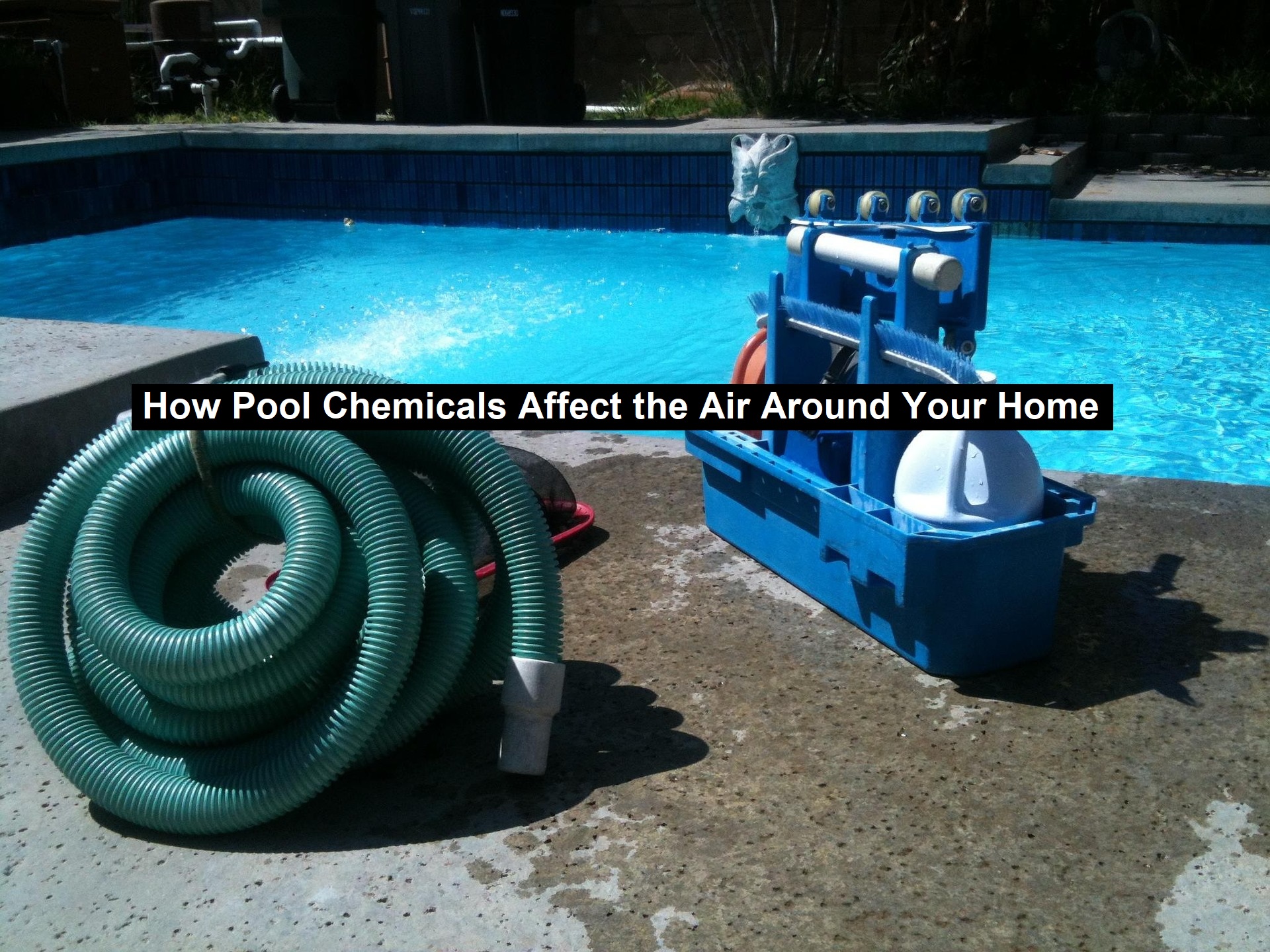
A backyard pool often feels like a private retreat, a place to cool off, relax, and spend time with family and friends. Along with those benefits comes the responsibility of proper pool care, which goes beyond keeping the water clean and clear. One area that is frequently overlooked is how pool chemicals influence the air surrounding the pool, especially for households that spend extended time nearby.
When water chemistry is not properly balanced, the effects are not limited to water quality alone. Chemical imbalances can release airborne irritants that impact breathing comfort and overall respiratory health. Whether you maintain your pool on your own or rely on professional service, understanding how pool maintenance affects air quality is an important part of creating a healthy environment.
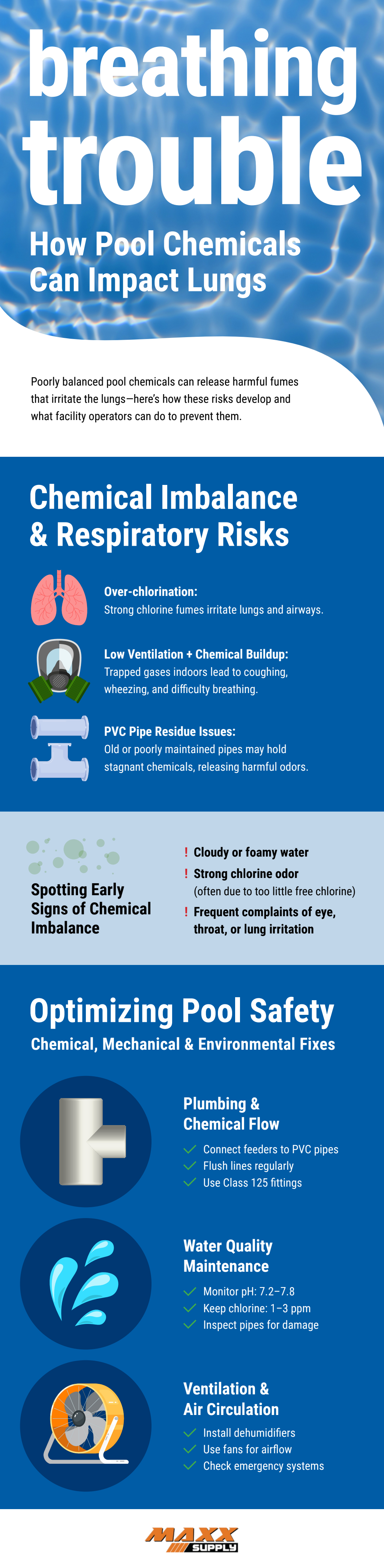
How Airborne Irritants Develop Near Pools
Most pool safety conversations focus on visible risks like slippery surfaces or water depth. However, the air around a pool can be just as important, particularly for indoor pools or outdoor pools located in enclosed or poorly ventilated areas.
Several factors can contribute to reduced air quality around pool areas:
High chlorine levels
Chlorine is essential for sanitation, but when levels climb too high, it can produce fumes that irritate the respiratory system. These vapors may lead to coughing, wheezing, or chest discomfort, especially for children, individuals with asthma, or anyone sensitive to strong chemical smells.
Limited ventilation
Even when chlorine levels fall within recommended ranges, poor airflow can allow chemical byproducts to accumulate. In enclosed pool spaces, these compounds can linger in the air and cause ongoing irritation.
Chemical buildup in plumbing
Older plumbing systems, particularly those using PVC piping, may retain chemical residue over time. Changes in water flow or temperature can release trapped odors or irritants. Using high quality, chemical compatible fittings from trusted manufacturers helps reduce buildup and supports cleaner circulation.
Signs Your Pool Area May Need Attention
Often, the earliest warnings come from what you can see or smell. Watch for signs such as cloudy or foamy water, which can indicate imbalance or contamination. A strong chlorine odor usually points to chloramines rather than clean, properly balanced chlorine. Frequent complaints from swimmers about burning eyes, sore throats, or coughing are also signals that adjustments may be needed.
Read: Tips to Choose an Ideal Window Lock Repair Service Provider
Steps to Improve Air Quality Around Your Pool
Creating a healthier pool environment involves more than routine chemical testing. A broader approach helps protect both swimmers and anyone spending time nearby.
Optimize plumbing and chemical delivery
Flush circulation lines regularly to clear chemical residue. Choose chemical resistant fittings such as Class 125 components. Make sure dosing systems introduce chemicals directly into circulation lines to promote even distribution.
Maintain balanced water chemistry
Keep pH levels between 7.2 and 7.8. Maintain chlorine levels between 1 and 3 ppm. Inspect plumbing and equipment before the busiest swimming months to catch issues early.
Support better ventilation
Use dehumidifiers in indoor or covered pool areas. Encourage natural airflow with fans or open structures. Confirm that exhaust and ventilation systems are functioning properly, especially in enclosed spaces.
Clean Water Is Important, and So Is Clean Air
A pool can be a valuable and enjoyable part of your home, bringing people together and encouraging outdoor activity. But healthy swimming conditions depend on more than what you see in the water. With consistent equipment maintenance, proper chemical balance, and adequate airflow, you can create a pool area that supports clean air as well as clear water.
By paying attention to both water chemistry and air quality, you help ensure your pool remains a place of comfort and enjoyment, not an unexpected source of respiratory irritation. For more on this, check out the infographic below from Maxx Supply, a supplier of schedule 40 PVC end caps.