Ultimate Guide to Choosing a B2B Office Desk That Drives Productivity and Brand Appeal
The Evolution of the Modern Workspace
The office atmosphere is changing in a dramatic manner. The rigid, dull cubical farms of the past that give importance to isolation over collaboration are a thing of the past. Now, the modern workplace has become an active, open-plan space meant to cultivate collaboration, creativity, and productivity. This change shows an intensive change in such a way that companies consider their property, not just anywhere, but a strategic investment.
The decision of an office desk, then, goes beyond mere furniture purchase; it is a pivotal decision that informs company culture, motivates employee productivity, and sends a brand’s fundamental messages. This guide by Pristine Market Insights will assist B2B purchasing executives in making a broad range of choices to choose the best desks for their functional requirements, foster collaboration, and establish their corporate identity.
Why the Office Desk Matters More Than Ever
Offices today have much more than just desk space; the physical core of a worker’s daily routine is the desk. An effective choice of a desk immediately affects an individual’s comfort and concentration level, providing the focal point for every task in the workplace. This is important since the average office employee spends more than 1,700 hours per year sitting behind the desk. The appropriate desk, especially those that are ergonomic, have been found to increase productivity by 10% to increase productivity by reducing pain and encouraging better posture.
Aside from personal performance, the desk selection significantly impacts employee happiness and hiring. This adaptability is crucial in the age of hybrid and remote-friendly work patterns, where the office needs to be interesting enough to attract people to it. Finally, the desk configuration is an influential tool for a business, determining not only how work gets completed, but also how a company is viewed by its existing and future talent.
Factors to be Considered for B2B Office Desk
- Functionality & Space Planning:
Your workflow matches the right desk. Individual desks provide their own space for concentrated work, while benching systems are ideal for teamwork. In hybrid models, hot-desking options optimise space efficiency, so they prove to be the most useful option.
- Scalability and Durability:
Workspaces should be a long-term investment. Companies should be able to continue reusing their office spaces as long as they grow in size. Modular workstations and reconfigurable layouts are an excellent way of achieving this because they eliminate the need for a costly office space overhaul as the company grows. Consider dealing with high-pressure laminate because it provides what is required: high durability and low maintenance. It is financially smart as well as environmentally sustainable.
- Growth & Longevity:
The office furniture you acquire is a long-term investment. As your business grows, modular desks and flexible layouts will make it possible for your office to grow without the need for an expensive redesign. In choosing furniture material, consider those that are durable, such as high-pressure laminates, which are durable and require minimal maintenance.
The Desk as a Reflection of Brand Identity
The physical office space is also an incredibly effective, non-verbal ambassador for a company’s brand and values to all who walk in. The selection of desks, materials, and arrangement can communicate at once what a company is about. For example, a technology can use a smooth, minimal desk and an ancient, open floor plan to communicate start-up innovation and futurism. On the other hand, a design agency can opt for warm, earthy materials and malleable, collaborative arrangements to indicate an emphasis on community and creative work.
Such a branding becomes beyond the logo, converting the culture of the company into a lot of atmosphere through colour schemes, textures and overall vibes. An office that is well designed not only occupies a team, but also has a story to tell, leaving impressions on employees, customers and partners.
Popular Office Desk Layouts for Collaboration and Focus
- Open-Plan & Benching Systems:
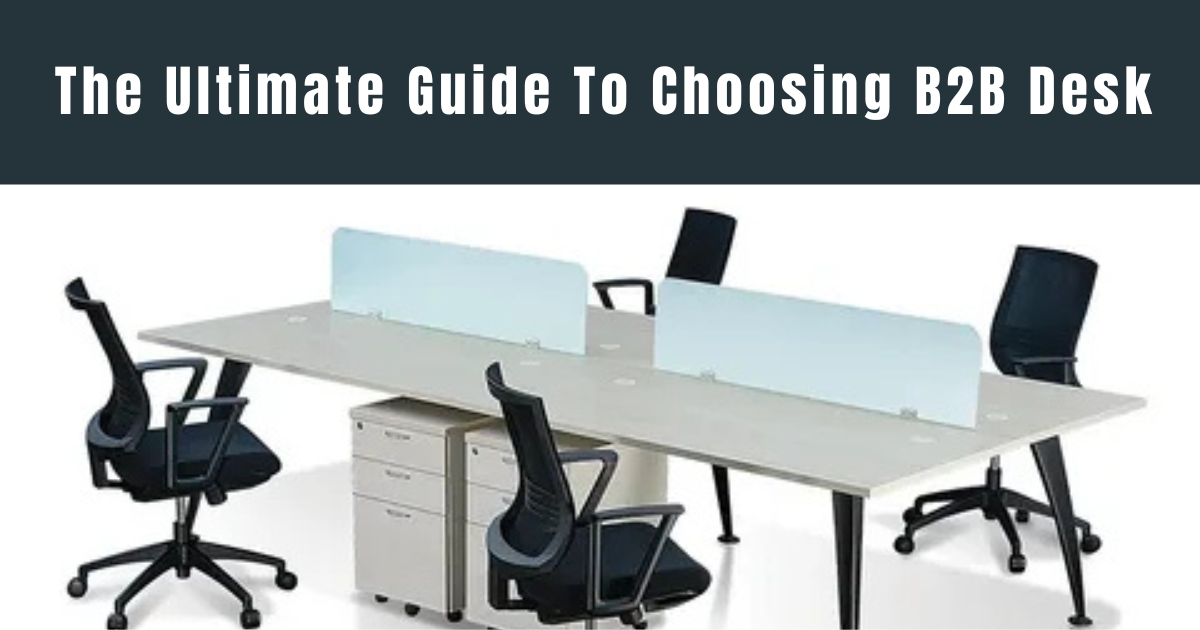
This type of design creates cooperation and communication to get rid of physical obstacles. They are very efficient and cost-effective. But they need to be designed carefully with respect to potential distractions or noise levels.
- Cubicle 2.0:
This is a more modern spin on the classic cubicle. This private pod provides you with the best of both worlds. This provides the silence you need to focus, yet it is still open enough that you can work together quickly and stay in contact with your colleagues.
- Executive & Managerial Desks:
Traditionally, these desks indicated power and hierarchy. Modern designs are more flexible, typically incorporated into open arrangements to foster a collaborative, flat culture while still offering a dedicated, ample workspace for executives.
- Hot-Desking / Shared Desks:
This multi-purpose model eliminates designated seating and is an excellent fit for hybrid and remote-friendly companies. This model, if utilised well, can capitalise on space utilisation and help develop a co-functioning relationship across mixed functions.
Conclusion
In a changing B2B office desk market, future-proofing the workspace is about embracing hybrid work and mobile technology. Flexible, modular desks are central to responding to changing layouts and team requirements. As it stands, the right desks transform a space, combining productivity, brand value, and employee well-being. Approach desk selection as an investment strategy to create a high-performance area and workplace for the future, which attracts and maintains talent.